



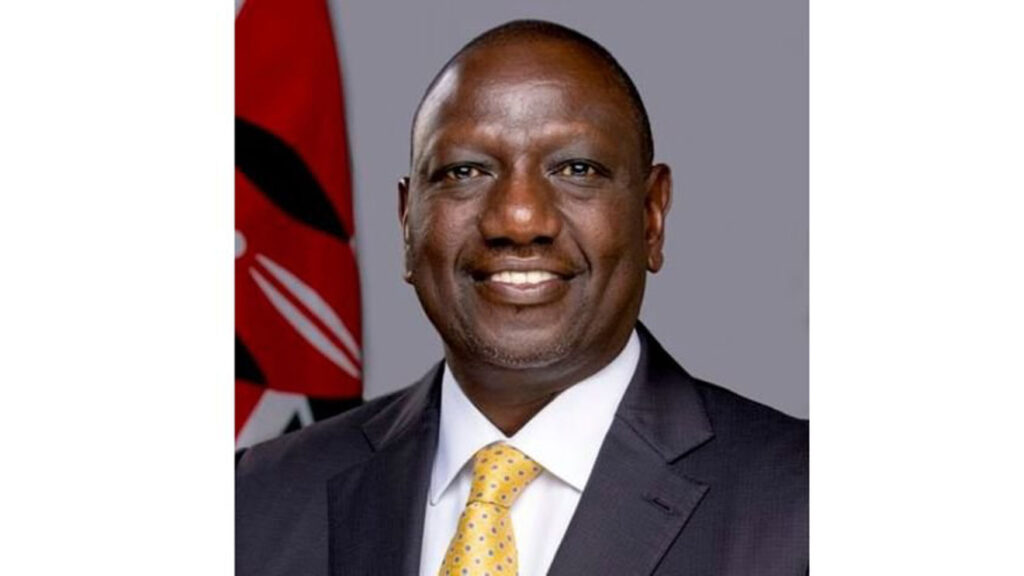
HE Dr. William Samoei Arap Ruto, CGH
President of the Republic of Kenya Chair of the COMESA Authority
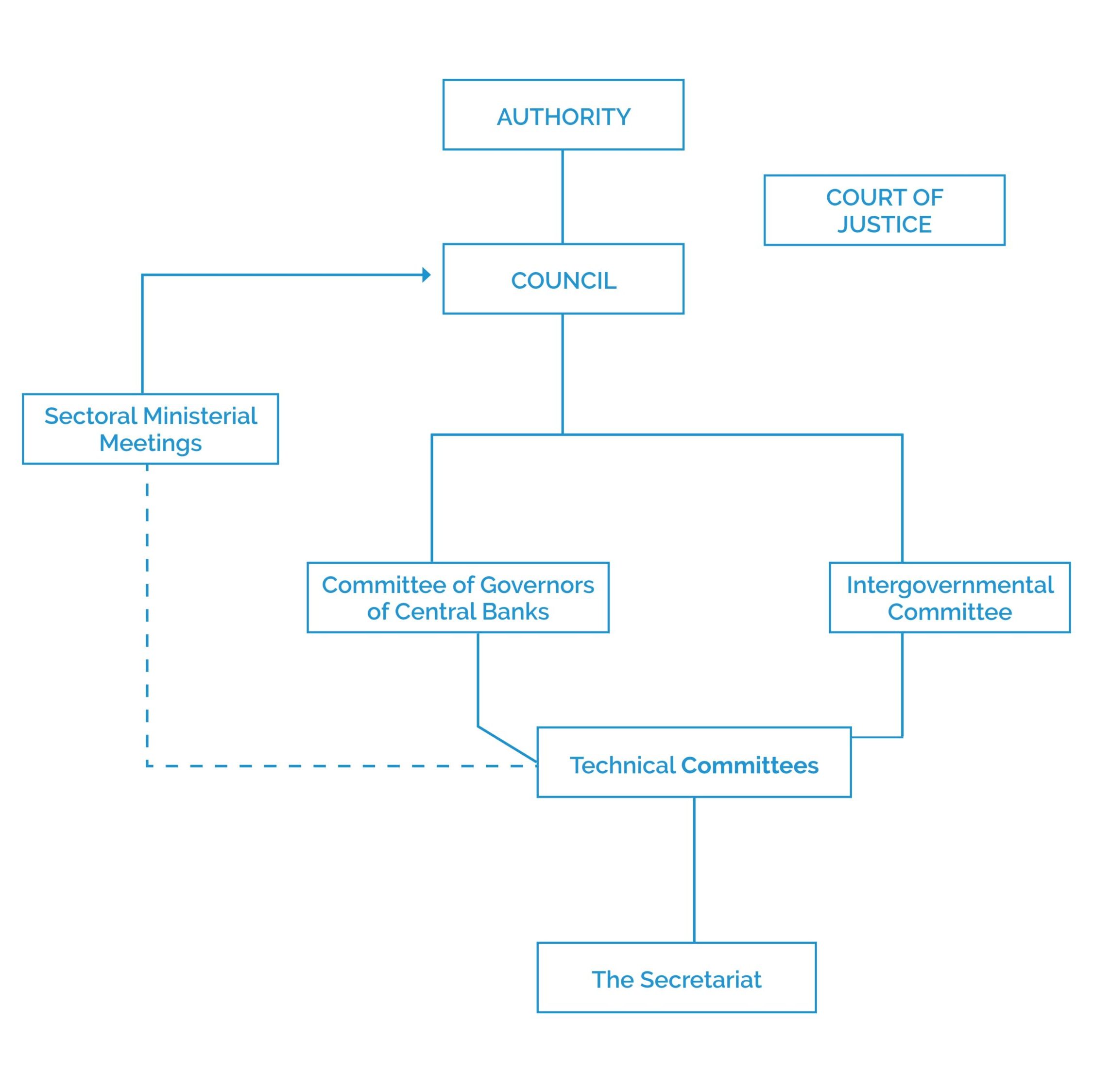
Heads of State and Government Also known as the COMESA Summit, it comprises 21 Heads of State and Government from the member states. It is the highest policy-making body and is responsible for overall policy, guidance, and monitoring of COMESA’s executive functions. The Summit is concerned with the strategic direction of the region and the achievement of the bloc’s objectives. Summit decisions and directives are adopted by consensus and are binding on all subsidiary institutions except the Court of Justice. Council of Ministers The Council of Ministers is the second highest policy-making body in COMESA. It consists of ministers appointed by the member states. The Council is responsible for ensuring the proper functioning of COMESA in accordance with the provisions of the Treaty. It also makes policy decisions regarding COMESA’s programs and activities, including monitoring and reviewing financial and administrative matters. As stipulated in the Treaty, Council of Ministers decisions are taken by consensus. In the event of disagreement, decisions are made by a two-thirds majority of the Council of Ministers. Decision-Making Process COMESA has developed a comprehensive decision-making structure, spearheaded by the Summit of Heads of State and Government of its 21 member countries. This is followed by the Council of Ministers, responsible for policy-making, 12 technical committees, and a range of other advisory bodies (including specific relationships with partner countries and the business community). In addition, each member state designates contact persons within relevant ministries who are part of the daily communication process. The Secretariat, based in Lusaka, Zambia, is responsible for overall coordination.
The Organisation Structure
The COMESA Treaty
This post is also available in: