



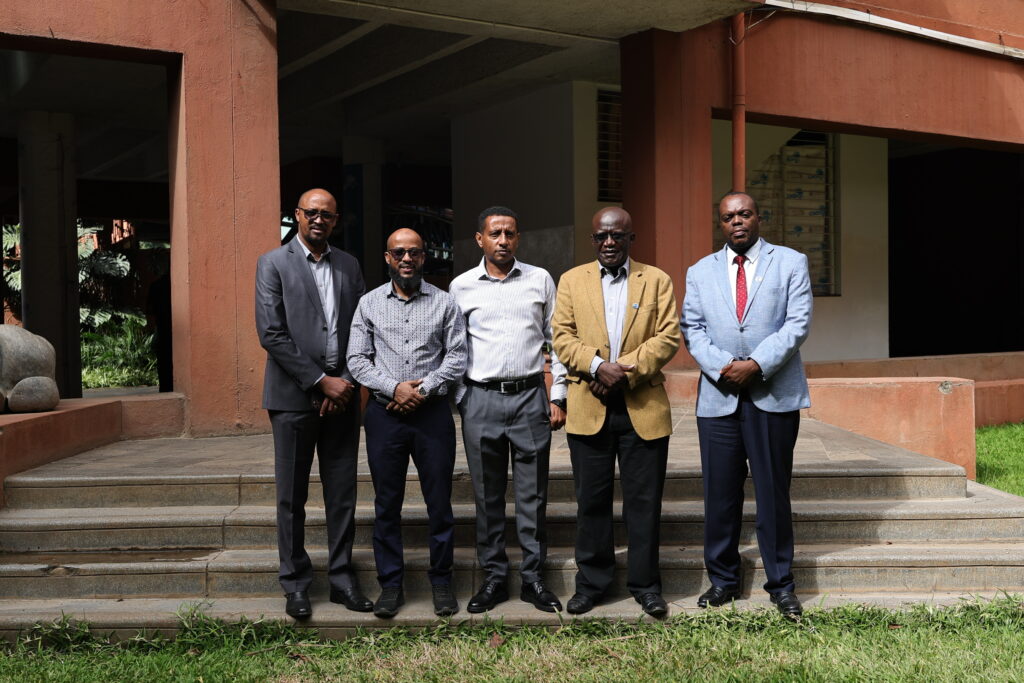
Staff from the COMESA Inclusive Digitalization for Eastern and Southern Africa (IDEA) Project Coordination Unit (PCU) have enhanced their procurement and fiduciary management skills after participating in a two day Zambia Basic Procurement Training Workshop held from 4–5 February 2026 in Lusaka.
The workshop, convened by the World Bank Zambia Country Office, and supervised by its Senior Procurement Specialist, Mr. Wedex Ilunga, brought together several beneficiaries of the regional IDEA programme, including the Digital Zambia Acceleration Project (DZAP), the Zambia Refugee and Host Communities Project (ZRHCP), and officials from the Ministries of Health and Agriculture. All these institutions are key implementers expected to contribute to the broader IDEA regional integration agenda.
The training was specifically designed to equip procurement specialists and technical experts with the competencies required to manage IDEA-funded activities effectively. Participants were taken through the World Bank’s 2016 Procurement Framework, including updates guiding the selection of suppliers and consultants across Bank financed projects.
The framework emphasizes seven core principles—Value for Money, Economy, Integrity, Fit for Purpose, Efficiency, Transparency, and Fairness—which underpin IDEA’s commitment to accountable, efficient, and development-oriented procurement.
Participants received hands-on guidance on developing Project Procurement Strategy Documents (PPSDs), Standard Procurement Documents (SPDs) and Complaint-handling and resolution mechanisms. These instruments directly support IDEA’s objective of strengthening institutional capacity across the region for digital transformation, ensuring that procurement processes contribute to sustainable development rather than simply securing the lowest cost.
The workshop emphasized real-world application, enabling participants to tailor procurement plans to their respective country contexts. Key competencies gained included, Drafting and managing complex bidding documents, Applying the seven core procurement principles to day to day project work and meeting audit, compliance, and transparency standards required for World Bank financing.
The training also hinted on managing full procurement cycles for goods, works, and services, Understanding and applying the Procurement Regulations for Investment Project Financing (IPF) as well as identifying and mitigating procurement-related risks that could jeopardize programme delivery.
These skills are critical to achieving IDEA’s mandate of improving digital public service delivery, strengthening regional connectivity, and enhancing digital resilience across COMESA Member States.
The workshop also served as a platform to reinforce the strategic partnership between the World Bank and the COMESA IDEA PCU. The act of training itself was a significant part of the partnership. It established a collaborative relationship, showing the World Bank as a partner and guide.
A well trained PCU becomes a centre of excellence in procurement within COMESA—capable of supporting other divisions and Member States, thereby extending the impact of the IDEA programme beyond the immediate beneficiaries.
The Zambia World Bank Country Office plays a critical bridging role between global fiduciary standards and local implementation realities. The training is not a mere formality; it is a fundamental activity that ensures project viability, mitigates risk, builds lasting capacity, and directly contributes to creating a more integrated and prosperous COMESA region.
By combining global procurement standards with an understanding of Zambia’s and the region’s business environments, the training ensures IDEA implementers are well equipped to navigate local laws, supplier constraints, and logistical challenges.
Ultimately, the procurement training directly supports the IDEA Project’s regional objectives, including, strengthening institutional capacity for digital transformation, ensuring efficient, transparent, and sustainable use of project resources, enhancing Member States’ ability to procure digital infrastructure and services, promoting harmonized standards and practices across the COMESA region and supporting the development of resilient and integrated digital ecosystems among many others.
Through this capacity-building initiative, the COMESA IDEA PCU and national counterparts are better positioned to drive forward the region’s digitalization agenda and deliver impactful results for millions of citizens across Eastern and Southern Africa.